Electricity is becoming increasingly expensive and unpredictable. At the same time, solar technology has become more accessible and efficient. This is where photovoltaic self-consumption comes in: generating electricity with solar panels to use at home (or in your business) and reducing dependence on the grid. And when you add batteries, both savings and autonomy go up a level.
In this article, we explain in a practical way what self-consumption is, how it works in Portugal, what changes when batteries are added, and the steps to install safely and without surprises.
What is photovoltaic self-consumption?
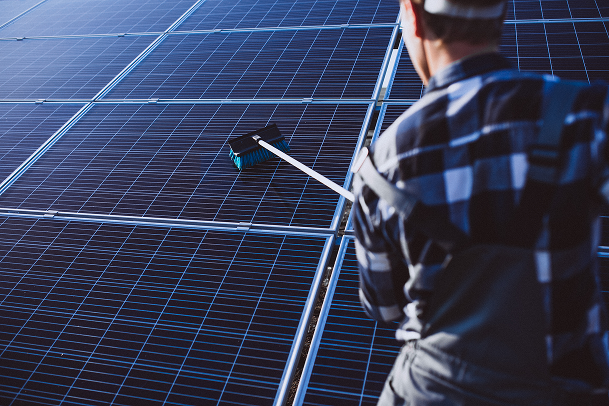
Self-consumption means producing electricity locally (usually with solar panels) and using it at the moment it is generated. When production is higher than instant consumption, there is surplus energy that can be fed into the grid or stored in batteries.
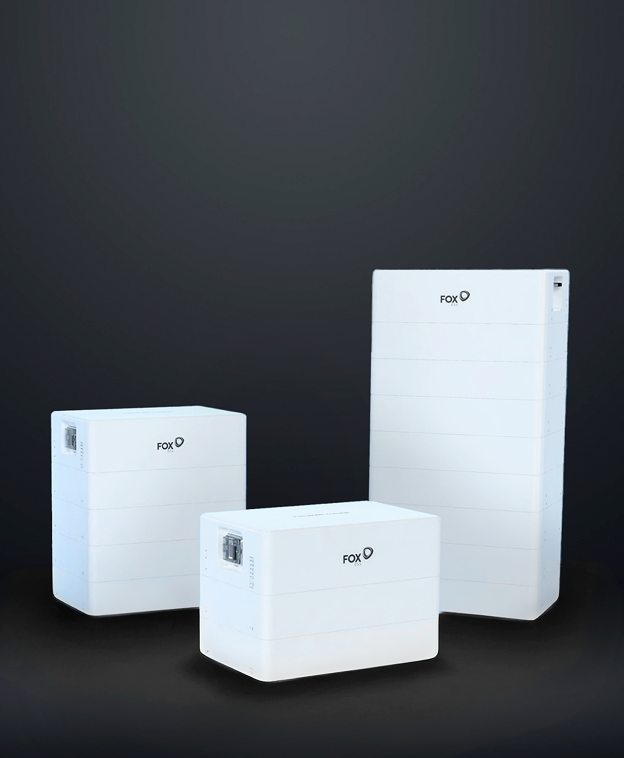
Why do batteries make a difference?
In practice, a large part of the population works away from home during the day and consumes more in the late afternoon/evening, precisely when the sun goes down.
With batteries, you can:
- Increase your self-consumption rate (use more of the energy you generate);
- Reduce grid purchases during the hours when electricity costs weigh most;
- Create some autonomy in case of outages (depending on the system and setup);
- Make use of surplus energy that would otherwise be exported.
In simple terms: panels reduce your bill; batteries make that reduction more consistent throughout the day.
How much can you save?
It depends on four main factors:
- Consumption profile (how many kWh and at what times);
- Installed capacity (how many panels);
- Whether you have a battery (and its capacity in kWh);
- Your electricity tariff/contract.
Rule of thumb:
- If you consume more during the day, you often get an excellent return even without a battery.
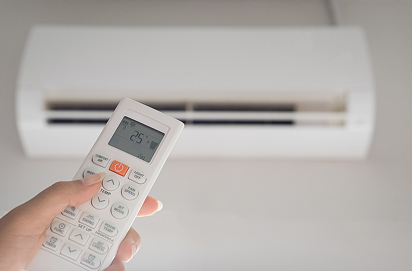
- If you consume more in the late afternoon/evening, you benefit a lot from a battery (or from shifting consumption, such as scheduling appliances/HVAC during solar hours).
So, good system sizing is not about installing the maximum number of panels possible, but about balancing investment and return.
Essential steps:
- Analyse bills and habits (kWh/month and consumption times);
-
Assess the roof (orientation, shading, tilt, usable area);
-
Define the goal: faster savings vs. greater autonomy;
-
Decide on the battery: does it make sense for your profile? what’s the right capacity?
-
Choose certified equipment and proper protections.
How the Roteiro do Saber team can help
Installing panels and batteries is as much “engineering” as it is a “savings strategy.” Roteiro do Saber provides:
- Consumption analysis and tailored system sizing
- Supply and installation of panels + inverter + (optional) batteries
- Electrical protections and compliance
- Support with the registration process when applicable
- Monitoring and follow-up to ensure the system is performing
If you want to reduce your bill and gain predictability, the first step is simple: a technical assessment based on your real consumption.