In today’s fast-paced world, gardening often takes a back seat in daily household tasks. That’s why it’s essential to have a low-maintenance garden that helps reduce costs and optimize the time needed for care.
A garden is a space to connect with nature, breathe fresh air, and relax in the comfort of your home. Therefore, it is crucial to feel good in this space and invest in elements you truly appreciate, creating a harmonious, functional, and sustainable environment.
Good landscape planning helps you choose plants suited to the climate, organize efficient irrigation systems, and select long-lasting solutions that require fewer interventions over time. This way, you save money while reducing the effort needed to keep your garden attractive.
How to Plan Your Landscape Effectively
Choosing the Plants for Your Garden
First, it’s important to decide which plants you want in your garden. Native plants are essential because they adapt quickly to your local climate and soil. These plants require less water, fertilizer, and pesticides than non-native species, making them easier to maintain.
For low-maintenance gardens, consider hardy species such as cacti or succulents. These plants store water in their leaves and stems, making them highly resistant to drought and heat.
Perennial plants are another excellent option. They offer numerous benefits, including long life cycles and usually persistent foliage—leaves that last more than a year with gradual renewal—resulting in less garden waste and reduced maintenance. A lemon tree is a good example of a perennial fruit tree.
Make sure all the species in your garden are compatible. This can provide mutual benefits such as natural pest protection and soil enrichment.
Irrigation Systems and Water Recycling
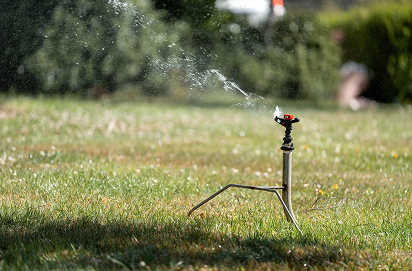
To save money and promote sustainability, it’s crucial to rethink your garden’s irrigation system to suit the plants you have.
Water is one of the most used resources in maintaining green spaces and also one of the highest contributors to utility bills. An efficient irrigation system combined with water reuse can reduce costs and support environmental sustainability.
Rainwater can be stored in several ways depending on your budget and needs. Options include underground cisterns connected to roof drainage systems or above-ground tanks that collect rain directly—these are more economical solutions.
Alternatively, you can use simpler methods such as placing buckets outside to collect rainwater or reusing water from daily activities, such as rinsing vegetables, cooking (once cooled), or the water wasted while heating the shower or faucet.
This approach helps reduce both your water bill and environmental impact. Remember not to overwater the soil, as excessive water is a leading cause of plant death.
Composting
To promote healthy plant growth, fertilizers are often needed. However, inorganic fertilizers can be costly, degrade soil fertility over time, and contribute to water pollution.
Natural compost is an excellent alternative for your garden. It enriches the soil with nutrients and attracts earthworms, which are highly beneficial for the substrate. Composting is the natural decomposition of organic matter, offering an economical, eco-friendly, and smart way to reduce waste and improve soil quality.
Implementing these tips makes saving in your garden much easier.
Roteiro do Saber can be your partner in creating a beautiful and efficient garden. We offer personalized solutions tailored to your needs, from planning to planting, as well as installing irrigation systems designed for you.
Discover our gardening services. Contact us and transform your garden into a true leisure space.